Analog perception study
C-2604 "Plane"
C-2604 "Plane" is an exploration of perception through the familiar form of an analog clock.
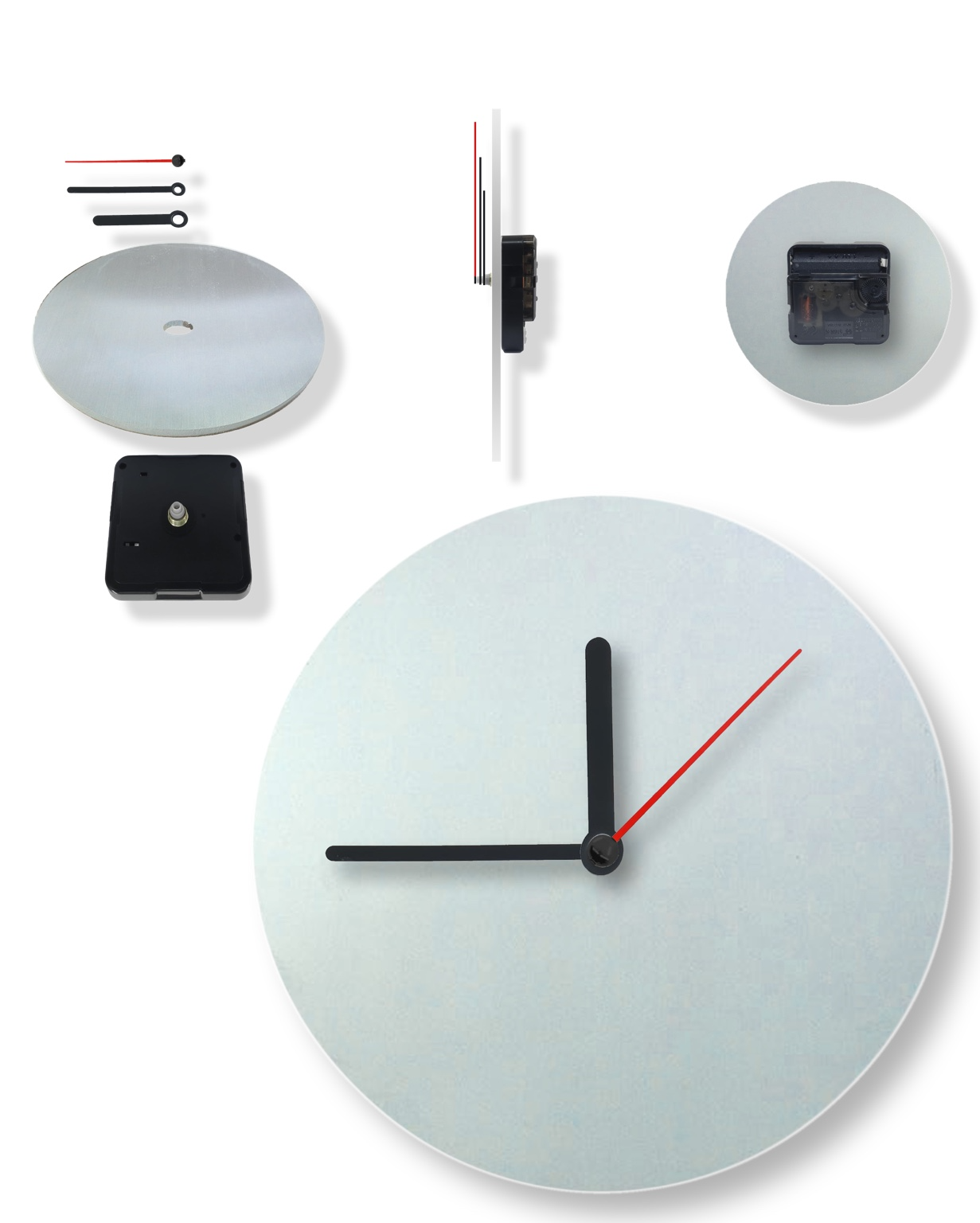
The project began with a simple observation: Most clocks contain visual elements that become effectively invisible through repeated exposure: indices, chapter rings, counterbalances, numerals, and decorative details. We learn to ignore them in order to read the time.
As a child learning to read clocks, I was confused by the counterbalanced hands. Which end was I supposed to read? Adults seemed unable to see the ambiguity. Through familiarity, the distinction had disappeared.
Plane revisits that question.
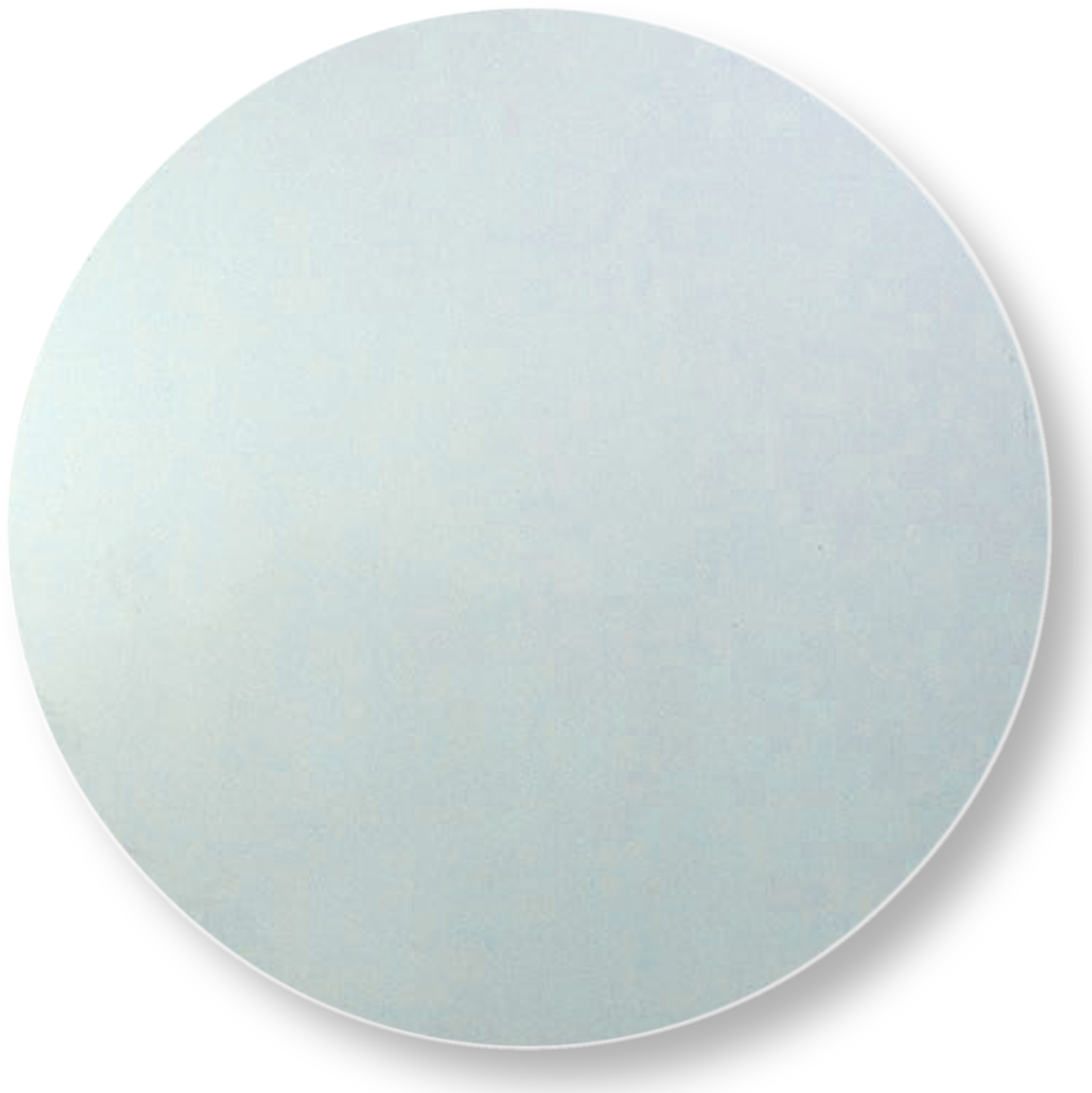
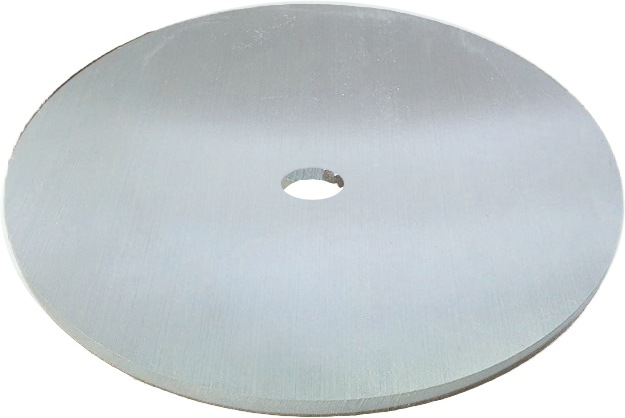

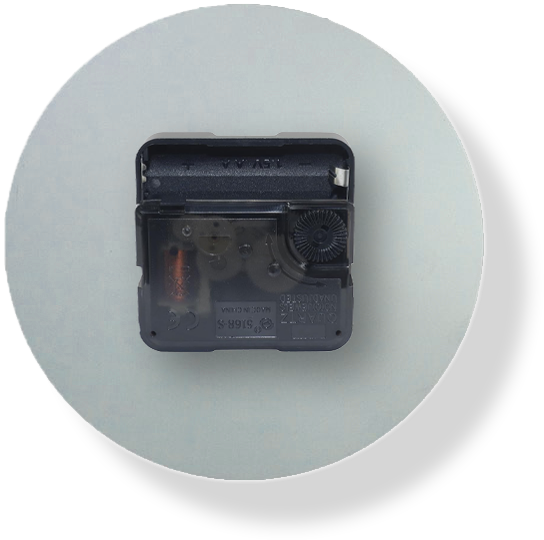
The design removes indices, numerals, chapter rings, and other visual cues, reducing the clock to a circular plane and a set of hands. The resulting object remains recognizable and functional while asking how little information is required for orientation in time.
Rather than prioritizing precision, Plane emphasizes perception. It explores the difference between sensing and measuring, between recognizing a condition and calculating a value. The clock remains legible, but resists the urgency and exactness often associated with contemporary timekeeping.
The project emerged through a series of experiments investigating visibility, hierarchy, and interpretation. By removing familiar elements one at a time, the process revealed how much of clock design exists not only to communicate information, but to guide attention and reduce ambiguity.
Plane is not an attempt to reinvent the clock, rather, an attempt to see it again.